



Grievance process: Resolve complaints faster and protect your organization

Table of contents
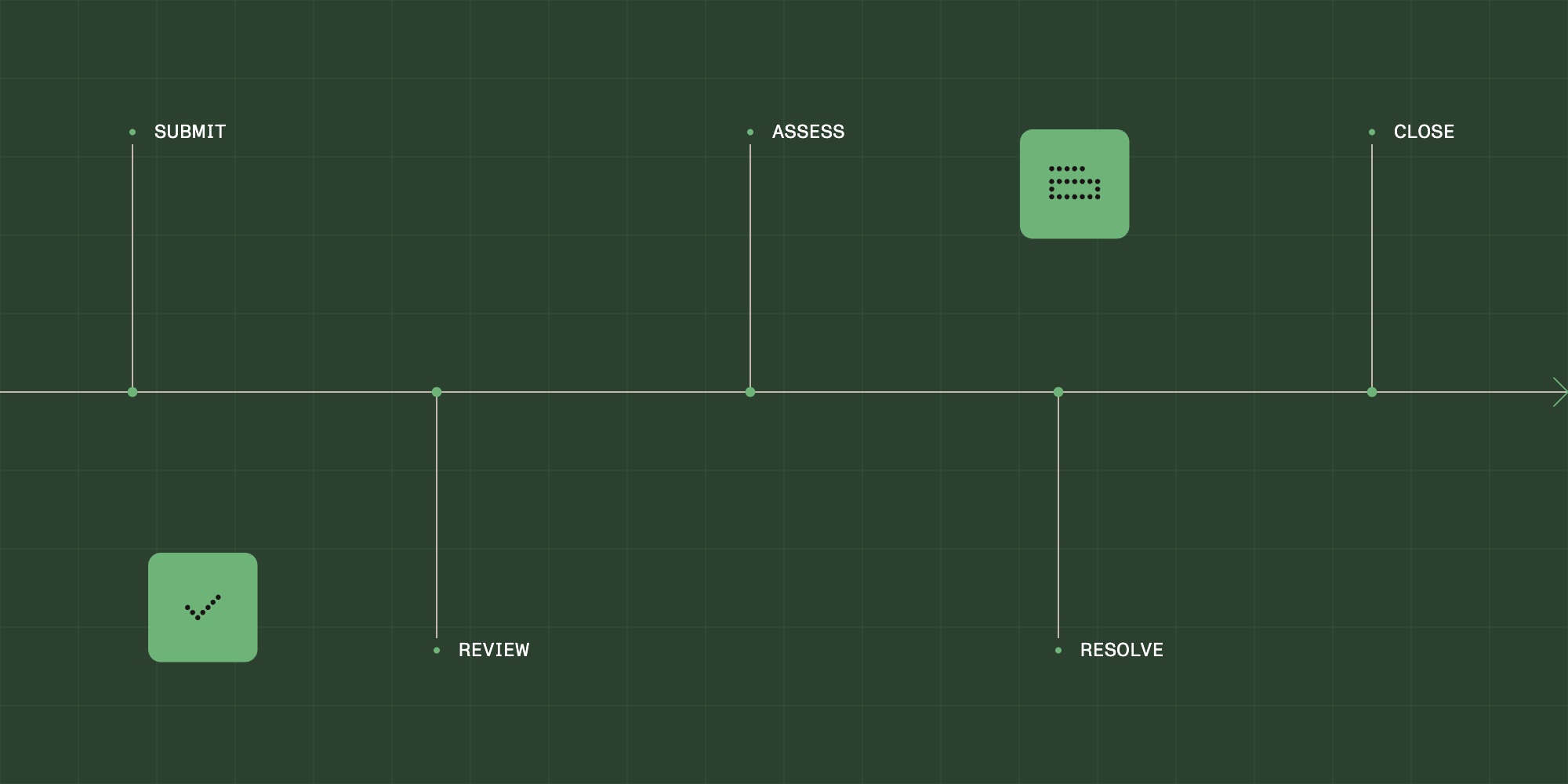
A grievance process is a structured way to handle employee complaints — from submission through investigation to resolution. Nutrient Workflow automates grievance routing, tracks deadlines, and maintains audit trails so HR teams can resolve issues faster and stay compliant.
Automate grievance workflows with Nutrient Workflow Automation.
What is a grievance?
A grievance is a formal complaint submitted by an employee regarding a work-related issue that requires official attention and resolution. These issues may stem from conflicts with colleagues, management decisions, policy concerns, or perceived injustices. Common examples include:
- Unfair treatment or discrimination
- Unjustified disciplinary actions
- Contractual disputes
- Health and safety concerns
Employers are legally obligated to address grievances in a fair and timely manner, ensuring all parties have an opportunity to resolve disputes constructively.
What is a grievance process?
A grievance process is a systematic approach for addressing and resolving employee complaints. It provides a structured pathway for workers to express concerns and for employers to investigate and resolve issues effectively.
Typically, a grievance process involves:
- Filing a formal written complaint
- Reviewing and investigating the grievance
- Taking appropriate actions to resolve the issue
- Allowing employees to appeal decisions if necessary
Having a clear grievance process not only helps resolve disputes; it also reduces the risk of conflicts escalating into larger issues.
Why is a fair grievance procedure important?
A fair grievance procedure is essential for:
- Promoting transparency — Employees feel confident their complaints are handled impartially.
- Improving workplace relations — Resolving disputes quickly fosters a harmonious environment.
- Reducing legal risks — Clear procedures minimize the likelihood of legal challenges.
- Enhancing trust — Employees are more engaged when they know their concerns matter.
By implementing a grievance process, organizations create a culture where issues are addressed promptly, preventing minor disagreements from escalating.
What are some examples of grievances?
Issues that often drive employees to go through the grievance process at work include individual, group, union, and policy complaints.
Individual complaints
If one employee experiences a problem within the workplace, like the distribution of their pay or allotted benefits, they may decide to file a grievance. Other issues individual employees might run into include:
- An unusually heavy workload
- Bullying
- Discrimination
- Unclear promotion process
- Favoritism of other employees
It’s crucial to document these complaints through a written grievance to ensure a structured and fair resolution process.
Group complaints
Sometimes, groups of employees with shared experiences file a joint grievance. Issues that can affect multiple people in the workplace include:
- Gender pay disparity
- Issues with scheduling
- Changes within the organization
Union complaints
A union might file a grievance on behalf of workers when they believe worker rights are being compromised. For example, an employer failing to deduct union dues from a worker’s paycheck could lead to a union grievance.
Policy complaints
If one or more workers feel there need to be changes to a current policy or feel the company should establish certain protections, they may file a policy grievance. Examples of policy grievances include:
- Poor working conditions
- Issues with workplace health
- Safety problems
Employers should have procedures in place that are capable of handling multiple types of grievances.
What are the benefits of an established grievance process?
Establishing a grievance process allows employees to take issue with management decisions that adversely affect them. In addition, workers get the chance to outline their concerns formally. Once that happens, management can step in and resolve issues quickly, fairly, and with complete transparency.
Other benefits of having formal grievance steps outlined include:
- Avoids letting smaller disagreements escalate into serious issues
- Helps companies build an environment of trust and openness
- Gives employees validation that their concerns matter
- Encourages companies to create clear policies and contracts
- Provides organizations with a cost-effective way to resolve workplace disputes without litigation
Key elements of a grievance policy
A grievance policy should include several key elements, such as:
- A clear definition of what constitutes a grievance
- A description of the grievance procedure, including the steps to be taken and the timelines for each step
- The role and responsibilities of the employer and employee in the grievance process
- The criteria for determining whether a grievance is valid or not
- The possible outcomes of a grievance, including disciplinary action or changes to policies or procedures
- The appeal process for employees who aren’t satisfied with the outcome of a grievance
What actions should a grievance process contain?
While there may be variations in how different organizations establish grievance procedures, there should be similarities in how they handle issues that arise in the workplace. Below is an outline to turn into a grievance process flowchart as a starting point. A crucial step in this process is scheduling a timely grievance meeting following an employee’s written grievance.
1. Meet with a supervisor
Encourage workers to sit down with a supervisor or other management. Sometimes all it takes to start the resolution process is having someone listen to an employee’s concerns. An example of that might be if an employee feels they were passed over for a promotion.
Managers can point out the specific requirements for the position and outline what the worker can do to move up in the organization. Actively listening to an employee and acknowledging their feelings is essential in the grievance process.
2. File a formal grievance in writing
Develop a grievance form for all employees and make it easily accessible to everyone. It’s also a good idea for workers to send an email outlining the grievance. In addition, encourage those going through the grievance process to provide details like names and dates.
3. Review the grievance
At this point, it’s a good idea to bring the human resources department into the matter. If you have a unionized workplace, make sure you’ve contacted the worker’s union representative. Start going over the issues outlined in the grievance to figure out the next steps.
4. Conduct an investigation
A formal grievance investigation should include an interview with the employee and others involved in the conflict. Pull together supporting evidence that helps you develop a resolution, like emails or testimony from witnesses. To help maintain impartiality, many companies bring in an independent investigator with no connection to the company.
5. Resolve the grievance
After talking with the employee and reviewing the evidence, the investigator and anyone else involved in the review should write a formal conclusion. Provide the worker with the response and the actions the company will take.
If the employee doesn’t find the outcome satisfactory, an organization can bring in a mediator. Make sure you outline employees’ rights as far as appealing grievance process decisions in your company policies.
Communicating the grievance policy
It’s essential to communicate the grievance policy clearly and effectively to all employees. This can be done through various channels, such as:
- Including the policy in the employee handbook or contract
- Providing training and guidance to managers and supervisors on the policy and procedure
- Displaying the policy in a prominent location, such as on the company intranet or in the staff room
- Providing regular updates and reminders to employees on the policy and procedure
Training for employers and managers
Employers and managers should receive training on the grievance policy and procedure to ensure they understand their roles and responsibilities in the process. This training should cover topics such as:
- The importance of a fair grievance procedure
- The key elements of the grievance policy
- The steps to be taken in the grievance process
- How to handle and respond to grievances
- How to communicate effectively with employees during the grievance process
By providing training and guidance to employers and managers, organizations can ensure grievances are handled fairly and consistently, and that employees feel heard and valued.
Streamlining grievance management with Nutrient Workflow Automation
Nutrient Workflow Automation transforms manual grievance handling into efficient, consistent workflows that ensure no complaint goes unaddressed.
Key automation benefits:
- Instant routing — Automatically send grievances to appropriate managers and HR personnel
- Timeline tracking — Ensure compliance with resolution timeframes through automated reminders
- Appeal management — Trigger appeal processes automatically when employees dispute decisions
- Documentation — Maintain comprehensive audit trails for legal compliance
- Status updates — Keep all parties informed throughout the resolution process
Real-world automation example:
When an employee submits a grievance form, Nutrient Workflow Automation can instantly:
- Route the complaint to the direct supervisor and HR
- Create a case number and timeline
- Send acknowledgment to the employee
- Schedule investigation meetings
- Track resolution progress against company policies
This automated approach reduces administrative burden while ensuring consistent, fair treatment of all grievances. To see how Nutrient Workflow Automation can transform your grievance process, schedule a 30-minute live demonstration(opens in a new tab) or try Workflow Automation free for 14 days.
FAQ
A grievance is a formal complaint an employee submits when they believe they’ve been treated unfairly at work. It’s an official way to raise concerns about workplace issues that require management attention and resolution.
The time varies, but it’s typically defined by the organization’s grievance policy, ranging from a few days to a few weeks.
Yes. Grievance processes can address both individual and group complaints, such as shared workplace concerns.
Most grievance procedures include an appeals process where employees can request a review of the decision.
Nutrient Workflow automatically routes grievances to the right reviewers, tracks resolution deadlines, sends reminders, and maintains complete audit trails for compliance.